
Advocacy Data Integration Starts with a Strong Data Strategy

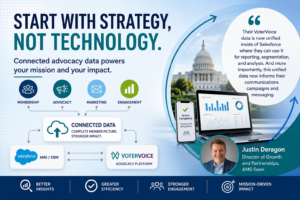
Organizations often invest heavily in advocacy platforms, CRMs, AMSs, and engagement tools. Yet many still struggle to answer basic questions about constituent behavior, campaign effectiveness, and member engagement.
Why?
Because data is often spread across multiple systems, making it difficult to create a complete and reliable view of organizational performance.
During our recent webinar with VoterVoice, Data Integration for Advocacy: A Practical Starting Point, we explored the challenges of advocacy data integration and discussed practical approaches to connecting systems without creating unnecessary complexity.
One key takeaway emerged throughout the discussion:
Successful advocacy data integration starts with a strong data strategy.
Looking to Build a Better Data Foundation?
Data Sangria helps organizations connect data across advocacy, AMS, CRM, marketing, and reporting platforms to create a more complete view of constituents and organizational performance.
The Real Challenge Is Not Data Collection
Most organizations are not struggling to collect data.
In fact, they often have more data than ever before.
Advocacy platforms capture campaign engagement. AMSs manage membership information. CRMs track constituent relationships. Marketing platforms generate engagement metrics.
The challenge is bringing these data sources together in a meaningful way.
When systems operate independently, reporting becomes fragmented. Teams spend valuable time reconciling information across platforms, and leadership lacks a complete picture of constituent engagement.
As a result, organizations may struggle to answer questions such as:
- Which constituents are most engaged across advocacy and membership activities?
- How does advocacy participation influence retention and renewal?
- Which campaigns drive the strongest long-term engagement?
- What metrics should leadership use to evaluate success?
Without connected data, these questions become difficult to answer with confidence.
Data Integration Is a Business Strategy
Many organizations begin integration projects by evaluating technical tools and platforms.
While technology plays an important role, integration initiatives are most successful when they begin with business objectives.
Before selecting solutions or designing workflows, organizations should determine:
- What decisions will the data support?
- Which reporting gaps need to be addressed?
- What outcomes define success?
- Which teams require access to shared information?
- What data should serve as the organization’s source of truth?
Answering these questions creates the foundation for a sustainable integration strategy.
Instead of connecting systems simply because they can be connected, organizations can focus on integrations that support measurable business outcomes.
Data Quality Matters More Than Data Volume
One of the most overlooked aspects of advocacy data integration is data quality.
When information is duplicated, inconsistent, or incomplete, integrations can create additional challenges rather than solving existing ones.
A successful integration strategy should address:
- Data governance
- Data ownership
- Data quality standards
- Field mapping and definitions
- Reporting consistency
Organizations that establish these practices early are better positioned to generate reliable analytics and meaningful business insights.
Building a Unified View of Constituent Engagement
Advocacy engagement is only one part of the constituent journey.
When advocacy data is combined with membership, event participation, education, and marketing engagement, organizations gain a more comprehensive understanding of their audience.
This unified view enables organizations to:
- Improve audience segmentation
- Personalize engagement strategies
- Strengthen reporting and analytics
- Identify high-value constituents
- Support data-driven decision-making
Most importantly, connected data helps organizations move beyond reporting activity and begin measuring outcomes.
Advocacy Data Integration Creates Better Insights
The ultimate goal of advocacy data integration is not simply moving data between systems.
The goal is creating a trusted data environment that helps organizations make smarter decisions.
When data is connected, governed, and aligned with organizational objectives, leadership teams gain greater visibility into engagement trends, campaign performance, and constituent behavior.
Technology enables integration.
Data strategy creates value.
That is why successful advocacy data integration starts with a strong data strategy.
Additional Resources
We appreciate the opportunity to partner with VoterVoice and contribute to this important conversation about advocacy data integration.
Read VoterVoice’s recap of the webinar and Justin Deragon’s featured insights
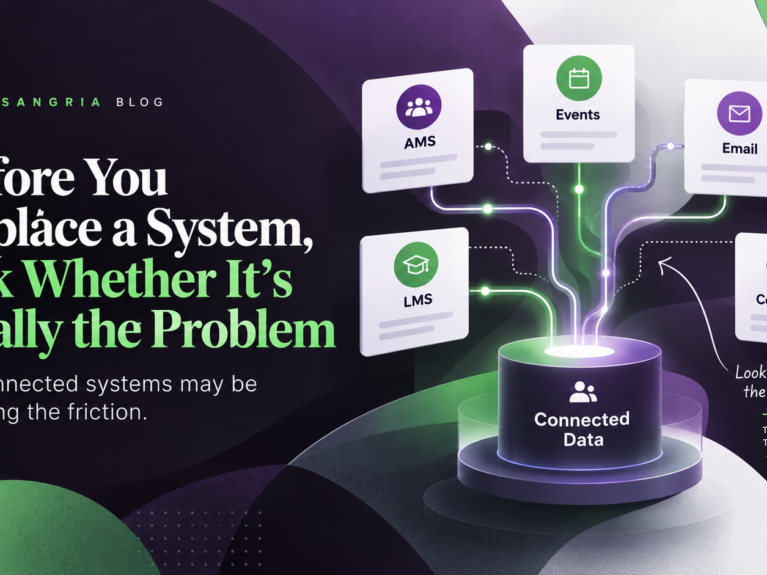
As associations plan for 2027, it’s tempting to assume that technology frustrations require new platforms. But what if the real problem isn’t the software itself? Explore how disconnected systems, manual processes, and inconsistent data can influence technology decisions.

Your AMS, event platform, email system, and other tools may all hold useful member data — but if they are not connected, staff are left piecing the story together manually. Here are the signs your systems may need better integrations.
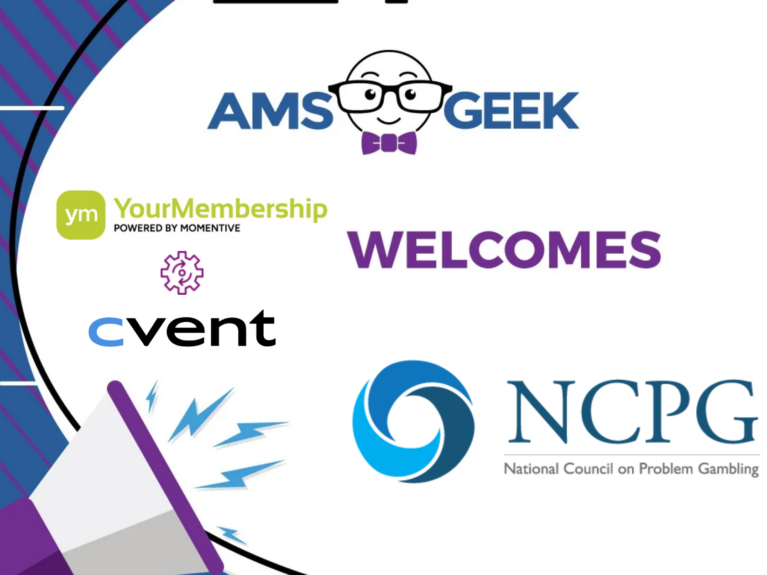
NCPG is using Data Sangria to connect Cvent and YourMembership, bringing event registration and profile data back into the AMS while helping prevent duplicate records.