
Common Challenges for Associations and How Data Sangria Can Help

Associations are vital to creating and nurturing communities with common interests, causes, or professional goals. However, running a successful association comes with a unique set of challenges, particularly when managing and utilizing data. As associations grow, they often find themselves grappling with complex issues like data silos, manual processes, and scalability limitations. In this post, we’ll discuss these common challenges and explore how Data Sangria can help associations overcome them to thrive in today’s data-driven world.
Data Silos
The Challenge:
Associations often use multiple systems to manage different aspects of their operations. For example, membership data might be stored in one platform, event registrations in another, and advocacy data in yet another. Over time, this creates data silos where important information is scattered across different platforms, making it difficult to get a holistic view of the association’s performance.
Data silos also make it challenging to access and integrate valuable insights. Teams spend significant time manually aggregating data from different sources, and there’s always the risk of inconsistent or outdated information due to lack of synchronization between systems.
How Data Sangria Helps:
Data Sangria provides solutions to break down these silos by integrating data from various sources into a unified platform. This integration enables associations to have a complete view of their data, allowing for better decision-making and enhanced member experiences. With Data Sangria’s tools, associations can seamlessly consolidate membership, advocacy, event, and other data, ensuring consistency and accessibility across the organization.
Manual Processes
The Challenge:
Manual processes are a common pain point for associations, particularly in areas like data entry, membership renewals, event registrations, and reporting. Not only are these processes time-consuming and labor-intensive, but they are also prone to human error. When staff spends more time on repetitive administrative tasks, they have less time to focus on strategic initiatives and member engagement.
How Data Sangria Helps:
Automation is at the core of Data Sangria’s approach. By automating routine tasks, such as data entry, Data Sangria significantly reduces the manual workload for association staff. This allows them to focus on high-impact activities, like growing membership or improving member services. Automation also minimizes the risk of human error, ensuring that data is accurate and up-to-date, which is crucial for making informed decisions.
Scalability Issues
The Challenge:
As associations grow, their data needs become more complex. What worked when the association had a few hundred members may no longer be feasible when it grows to thousands or more. Systems that aren’t designed to scale can quickly become bottlenecks, limiting the association’s ability to expand its operations and serve its members effectively.
Scalability challenges can manifest in various ways, from slower system performance and longer processing times to an inability to handle increased data volume. Additionally, associations may struggle to scale their reporting capabilities, making it difficult to gain insights into their growing membership base and operations.
How Data Sangria Helps:
Data Sangria’s solutions are designed with scalability in mind. Whether an association has hundreds or thousands of members, the platform can scale to meet the growing needs of the organization. By leveraging cloud-based technology and scalable data architectures, Data Sangria ensures that associations can handle increasing data volumes and more complex operations without compromising performance. This scalability empowers associations to grow and adapt to changing member needs without the constraints of outdated systems.
Contact Us and let Data Sangria overcome your challenges!
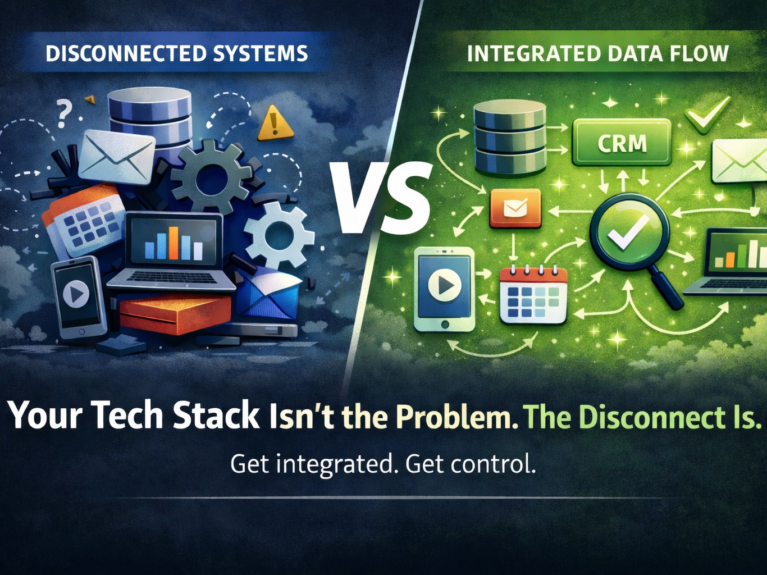
Most organizations have a tech stack, but far fewer have a strategy for how their systems actually connect. Here is why data flow matters and how better integrations can change everything.
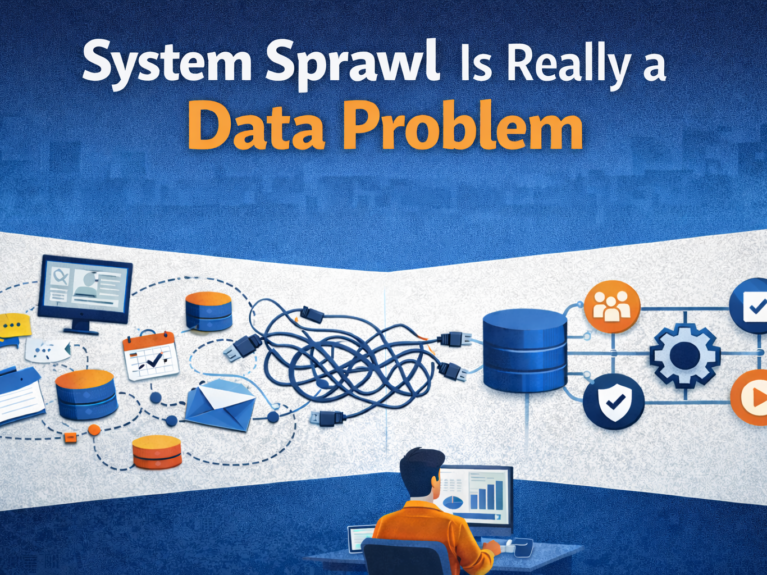
Many organizations think system sprawl is a technology issue. In reality, it’s often a data problem. Here’s why disconnected systems make reporting difficult, and how to fix it.
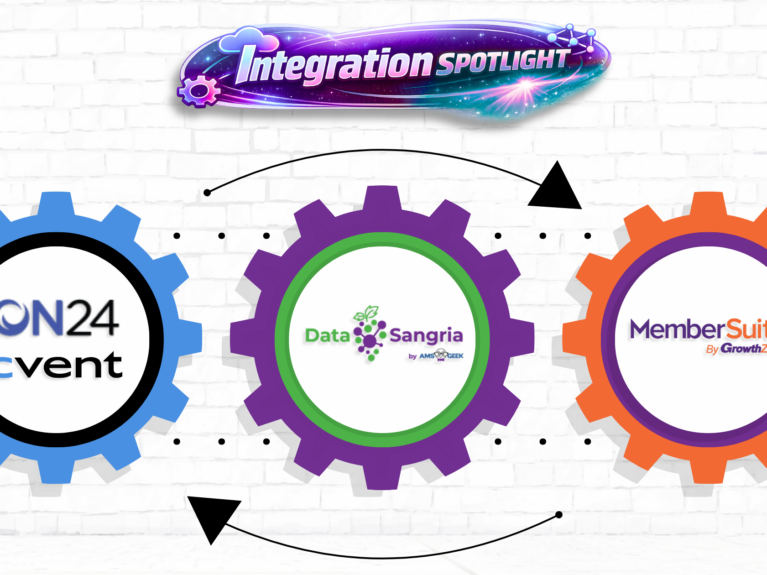
This Data Sangria integration connects MemberSuite by GrowthZone and ON24 (Cvent), syncing registration and post-event engagement data through a scalable middleware layer.